avoiding common baking supply blunders for perfect results
Baking can be a delightful experience, but even the most seasoned bakers can stumble over common supply blunders that lead to less than perfect results. In 2026, it is still essential to have a well-stocked bakery and to understand your ingredients. Here are some common mistakes to avoid, ensuring your baked goods turn out as intended.
Using stale ingredients
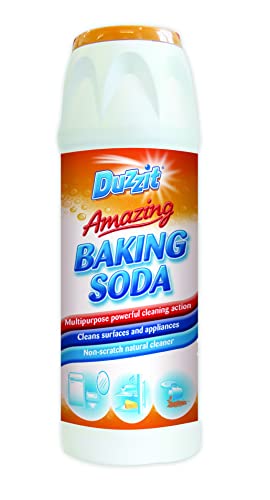
One of the most overlooked aspects of baking is the freshness of your ingredients. Baking powder and baking soda have a shelf life, and using expired products can result in flat cakes or cookies. To avoid this, always check the expiry dates on your leavening agents. A simple test involves adding a teaspoon of baking powder to hot water; if it bubbles vigorously, it is still active. Similarly, for baking soda, mix it with vinegar; if it fizzes, it is good to go. Consider storing these items in airtight containers to prolong their freshness.
Incorrect measuring techniques
Precision is key in baking. Many home bakers make the mistake of not measuring ingredients accurately, which can drastically alter the outcome. For dry ingredients like flour and sugar, use a spoon to scoop the ingredient into the measuring cup and level it off with a knife. Do not scoop directly with the measuring cup, as this compacts the ingredient and results in too much being added. For liquids, use a clear measuring jug and check the meniscus at eye level for accuracy.
People Also Look For:
- 6 Pack Sheets Washable Teflon Oven Liners,30x40cm Heat-Resistant Silicone Baking Mat,Reusable Silicone Baking Sheet Mat,Reusable B...
- Large Heavy Duty Teflon Oven Liner | Reusable & Non Stick Baking Mats | BBQ Grill Mats for Charcoal, Electric and Fan Assisted Ove...
- Santa Claus Christmas Silicone Oven Gloves Microwave Gloves Anti-Scalding Gloves Baking Mats Pot Holders Sets Oven Gloves Heat Res...
- Aunt Shannon's Kitchen 8 Inch Round Cake Pans, 3 Pack, Silver Cake Pan with a Built-in Swivel Blade, Easy Release Cake Pans Set fo...
- Baking Tray Set of 2, Bastwe Stainless Steel Oven Trays, Rectangle Baking Sheets Pans Perfect for Cooking Serving, Non Toxic & Rus...
Overlooking equipment quality
Your baking equipment plays a crucial role in achieving perfect results. Using aged or low-quality pans can lead to uneven baking. Invest in good quality bakeware that conducts heat evenly. Non-stick pans can be convenient, but be cautious of using metal utensils on them, as this can scratch the surface. Also, consider the material; glass and ceramic pans may require different baking times than metal ones. Always refer to the recipe for specific guidance.
Not preheating the oven
Many bakers make the mistake of placing their batter in a cold oven. Preheating the oven is crucial as it allows the baking process to start correctly and ensures even cooking. Invest in an oven thermometer to check that your oven reaches the desired temperature; sometimes, built-in thermostats can be inaccurate. Additionally, avoid opening the oven door frequently while baking, as this can cause temperature fluctuations that negatively impact your bake.
Ignoring ingredient temperature
Some recipes call for ingredients at room temperature, such as eggs and butter. Using cold ingredients can prevent your batter from emulsifying correctly, leading to dense baked goods. To bring eggs to room temperature quickly, place them in warm water for about ten minutes. For butter, you can cut it into small pieces and let it sit out for about 15 minutes, or microwave it in short bursts to soften it without melting.
Forgetting about substitutions
Sometimes, you may not have the exact ingredient a recipe calls for. While substitutions can work, not all are created equal. For example, swapping baking soda for baking powder or vice versa without adjusting quantities can affect the rise of your baked goods. If you must substitute, consult reliable resources to ensure the ratios are correct and that the replacements will not compromise the texture or flavour of your final product.
Neglecting cooling times
After baking, patience is vital. Many bakers impatiently rush their baked goods from the oven to the counter, only to find them soggy or breaking apart. Allowing cakes and cookies to cool in their pans for a few minutes before transferring them to a wire rack helps them set properly. This cooling time is crucial for maintaining structure and avoiding the dreaded soggy bottom.